
CEPLAS Graduate School begins training phase at IPK in Gatersleben
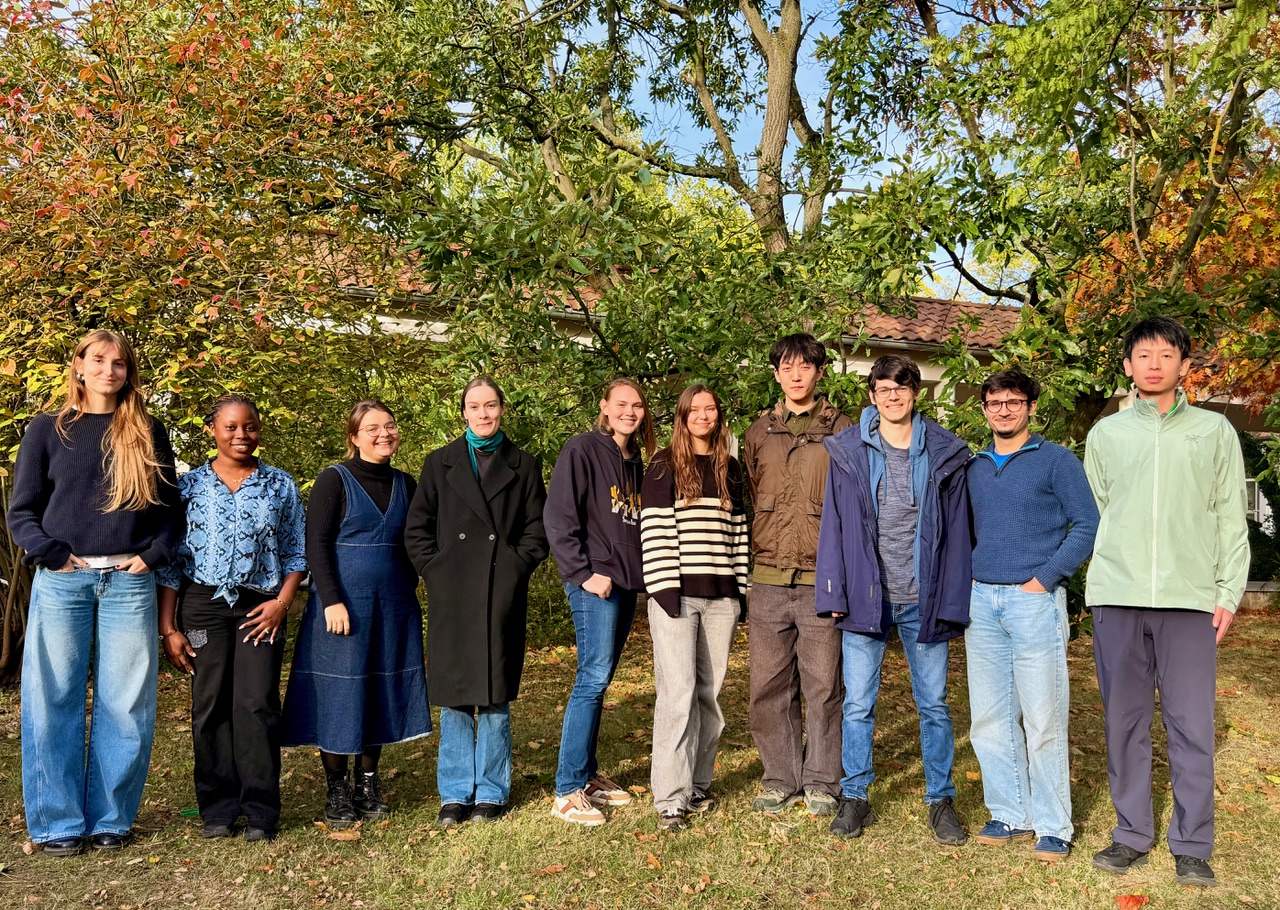
© IPK Leibniz-Institut
Ten CEPLAS graduate students are spending their introductory week at the Leibniz Institute of Plant Genetics and Crop Plant Research (IPK) in Gatersleben. During their stay, they will explore the institute’s research infrastructure and meet with more than 20 scientists.
On 12 October, the students began their training phase with an intensive introductory week at IPK. The programme includes introductory sessions, guided tours of research facilities and scientific presentations. Nicolaus von Wirén, IPK's Managing Director, warmly welcomed the group and opened the programme with an introduction to the institute’s history, current research objectives, and the week's planned activities. Three members of the PhD Student Board also welcomed the students and showed the group around the IPK Club, which offers opportunities for socialising and recreation alongside scientific work.
The week-long programme offers participants first-hand insights into the broad range of research conducted at IPK. Highlights include guided tours of key research facilities such as the Genebank and the PhenoSphere, as well as presentations by over 20 IPK scientists, who introduce their respective fields of expertise and current research activities.
“During the daily reviews, I find out what the students have learnt throughout the day. At the same time, these sessions give them an opportunity to reflect on the topics covered and ask any remaining questions”, says Nicolaus von Wirén.
Throughout the introductory week, students engage directly with IPK researchers and familiarise themselves with the institute’s research infrastructure. They also explore potential host laboratories and research groups for their forthcoming laboratory rotations. These rotations help them identify suitable environments for conducting their doctoral research. In about one year, CEPLAS-hosted research projects funded through the Cluster of Excellence will begin.
This visit is an important step in the students’ development as early-career researchers. At the same time, it lays the groundwork for future CEPLAS collaborations and prepares the students for the next stage of their scientific training.